
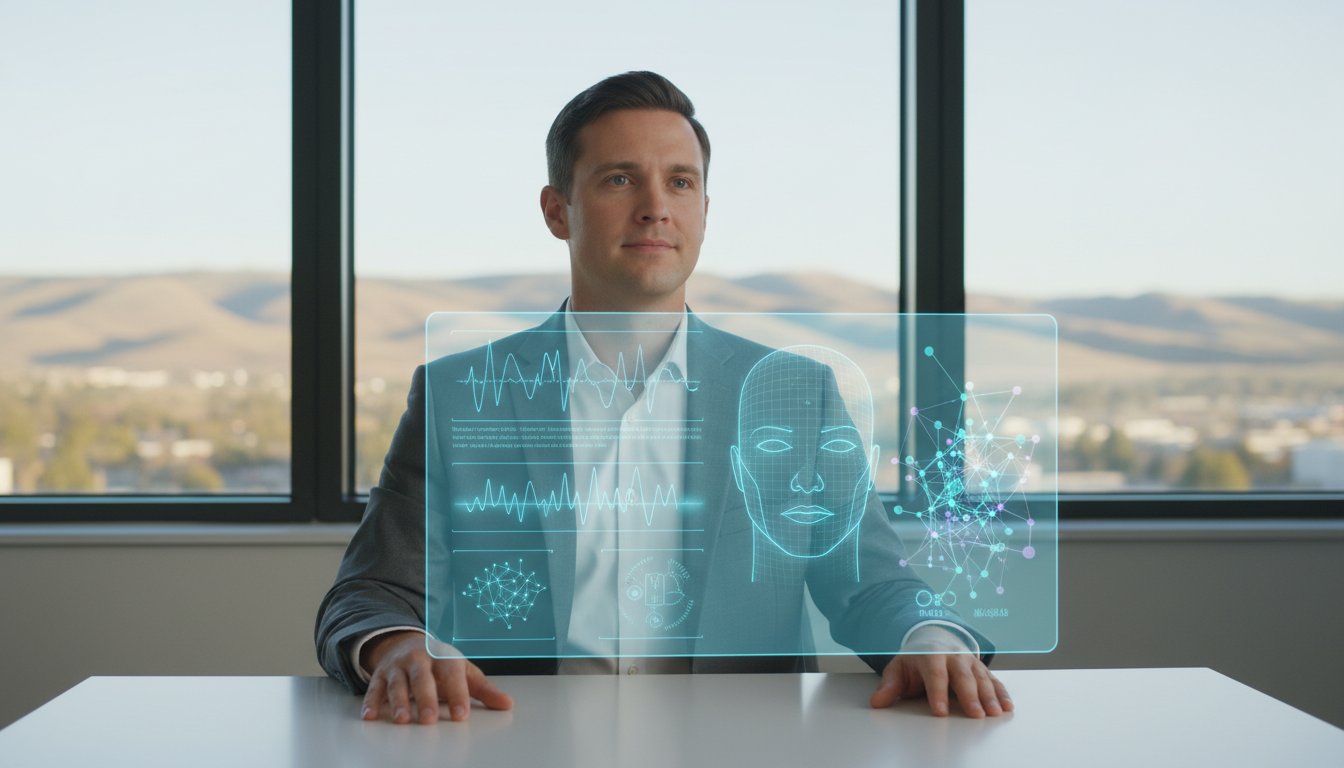
Research from the American Polygraph Association involving over 80 clinical studies confirms that modern examinations can achieve a 92% reliability rate. Despite this data, you likely feel a knot in your stomach when considering how accurate are polygraph tests for your specific legal or personal situation. It’s completely natural to fear a false positive or feel overwhelmed by the conflicting myths found on anonymous internet forums. You need a definitive answer because the stakes are too high to rely on guesswork or outdated 1970s stereotypes.
At Morgan Polygraph, we’ve combined 40 years of field experience with 2026’s cutting-edge AI behavioral speech analysis to ensure every truth verification session is handled with clinical precision. This guide will clarify the scientific reality behind the numbers and explain how facial microexpression recognition has changed the industry. You’ll discover the exact factors that determine a test’s reliability and learn if this investment is the right step for your future. We’ll strip away the confusion to provide the professional clarity and compassionate expert guidance you deserve.
Key Takeaways
- Understand the physiological science behind truth verification, including how heart rate and skin conductivity provide a forensic window into deception.
- Gain clarity on how accurate are polygraph tests by examining current APA-validated data and the performance differences between laboratory and field studies.
- Learn why modern sensors render traditional “beating the box” myths obsolete, ensuring the integrity of the examination process against physical countermeasures.
- Identify the specific legal standards and admissibility requirements for professional polygraph results within Boise and the broader Idaho judicial system.
- Discover how Morgan Polygraph integrates AI-powered tools like facial microexpression recognition to enhance the precision of traditional forensic methods.
Understanding the Polygraph: How Truth Verification Works
A polygraph is a sophisticated forensic tool designed to record physiological stress indicators that often surface during deception. It’s essential to understand what a polygraph test is before evaluating its results. The polygraph serves as a precise physiological data collection tool rather than a device capable of reading a person’s mind. Modern examinations are not merely mechanical sessions; they’re structured forensic interviews conducted by certified experts who bring decades of experience to the process. At Morgan Polygraph, we utilize over 40 years of combined expertise to ensure every exam meets the highest professional standards.
The instrument monitors four primary metrics to identify shifts from a subject’s baseline:
- Heart Rate: Rapid fluctuations in beats per minute.
- Blood Pressure: Changes in cardiovascular load and pulse strength.
- Respiration: Specific patterns in the rate and depth of breathing.
- Skin Conductivity: Micro-levels of sweat production, often called galvanic skin response.
Many clients ask how accurate are polygraph tests when they’re facing sensitive legal or personal matters. The answer begins with the understanding that truth verification relies on the body’s inability to fully suppress its autonomic nervous system under the pressure of a directed interview.
The Science of Autonomic Responses
Deception often triggers the “Fight or Flight” response, a survival mechanism managed by the sympathetic nervous system. When a person fears detection, their body reacts involuntarily, regardless of their outward composure. These physiological spikes occur because the brain prioritizes survival over the conscious effort to maintain a lie. Experts look for these specific, measurable deviations from a calm state to verify the integrity of a statement. It’s this biological reality that makes how accurate are polygraph tests a central topic in modern forensic science.
The Standardized Testing Protocol
Reliability depends on a methodical three-phase process. First, the pre-test interview allows the examiner to set a baseline and ensure the subject understands every question clearly. This stage removes the element of surprise. Next, the data collection phase uses structured formats like the Control Question Test (CQT) to compare responses between neutral and relevant inquiries. Finally, the post-test analysis involves a meticulous review of complex charts. Certified examiners interpret these waveforms to determine if the data indicates deception, truthfulness, or an inconclusive result.
How Accurate Are Polygraph Tests? Examining the Data
Determining how accurate are polygraph tests requires looking at peer-reviewed data rather than television tropes. The American Polygraph Association (APA) conducted a comprehensive meta-analysis in 2011 that reviewed 80 independent studies. This research confirmed that when examiners use validated protocols, accuracy rates generally range between 87% and 94%. These figures represent a high standard of reliability that makes the polygraph one of the most effective truth verification tools available today.
APA Research and Field Performance
Field studies often yield higher accuracy rates than laboratory simulations. In a lab, participants “lie” about trivial matters with no real-world consequences. In a field setting, such as a criminal investigation or an infidelity matter, the physiological stakes are genuine. This emotional gravity produces clearer, more distinct charts. While some researchers continue to discuss the scientific validity of the polygraph, the data from thousands of real-world cases shows that specific-issue testing is significantly more precise than general screenings. By focusing on one concrete event, the examiner reduces “noise” in the physiological data, making false positives statistically rare in professional settings.
Inconclusive Results: What They Really Mean
An inconclusive result isn’t a “fail” or a “pass.” It means the physiological data didn’t meet the strict numerical threshold required for a definitive conclusion. Professional integrity requires an examiner to admit when the data is “gray” rather than forcing a result. This happens in roughly 10% to 15% of examinations. We view an inconclusive result as a sign of a rigorous process. Several factors can lead to an inconclusive chart:
- Severe physical fatigue or lack of sleep prior to the exam.
- Specific medications that dampen the autonomic nervous system’s responses.
- Acute illness or physical pain that interferes with baseline readings.
At Morgan Polygraph, we handle non-definitive data with extreme care to ensure fairness for every client. We don’t guess. If the charts aren’t clear, we’ll explain the contributing factors and discuss the possibility of a retest once the issue, such as fatigue, is resolved. This methodical approach is why polygraph results are often more reliable than eyewitness testimony, which can be inaccurate in up to 35% of cases. If you need clarity on a sensitive matter, you can speak with our team to learn how we maintain these high standards of accuracy.
Common Myths: Can You Manipulate a Polygraph Test?
The internet is flooded with advice on how to beat the box. Most of these suggestions involve physical tricks like hidden thumbtacks in shoes or rhythmic breathing patterns. These methods are outdated and easily spotted by any certified examiner. Modern truth verification isn’t just about a pen moving on paper. It’s a high-tech process involving sophisticated sensors that monitor your entire body. When clients ask how accurate are polygraph tests, they’re often surprised to learn that technology has evolved far beyond the simple heart-rate monitors seen in old movies. Today’s digital systems record data at rates up to 2,000 samples per second, making minute physiological changes visible to the examiner.
One primary tool we use is the countermeasure pad. These sensors are placed on the seat and floor to detect even the slightest muscle tension in the legs, thighs, or torso. If an examinee tries to artificially create a physiological response by clenching their muscles, the software flags it instantly. Attempting to manipulate the examination is often the most definitive indicator of a deceptive mindset.
The Reality of Countermeasures
Professional examiners receive over 400 hours of specialized training to identify intentional manipulation. We expect you to be nervous. A nervous baseline is the standard starting point for almost every test. Deceptive stress looks different than general anxiety because it occurs at specific, predictable intervals during the questioning. Modern systems use 4 to 6 different sensors to track respiratory, sweat gland, and cardiovascular activity simultaneously. This multi-layered approach makes it nearly impossible to maintain a consistent physical lie across all channels without being detected.
Psychological Factors and Accuracy
A common concern is whether a natural liar or someone with a clinical personality disorder can bypass the sensors. Scientific research indicates that the autonomic nervous system functions independently of a person’s social skills. Even if someone believes their own lie, their body still reacts to the internal conflict of the testing environment. The Office of Justice Programs has extensively studied the application of polygraph results as evidence in various legal contexts. Their findings suggest that while cooperation is required, the physiological data remains a robust indicator of truthfulness. When evaluating how accurate are polygraph tests, it’s clear that the test relies on biological responses hardwired into the human brain, regardless of a person’s psychological makeup.
Practical Utility: Polygraphs in Legal and Private Settings
Polygraphs serve as a critical bridge between suspicion and certainty in Idaho’s legal and personal landscapes. While critics often ask how accurate are polygraph tests, the real-world application by experts like Chip Morgan demonstrates their value in narrowing investigations and resolving disputes. In Boise and throughout the Treasure Valley, these exams provide a structured way to verify truth when physical evidence is absent. Our team works directly with defense attorneys to provide expert testimony that can influence a prosecutor’s decision to drop or reduce charges before a case ever reaches a jury.
Idaho Legal Standards and Admissibility
Idaho courts maintain a specific stance on truth verification. Generally, polygraph results aren’t admissible in a trial unless there’s a prior written agreement, known as a stipulation, between the prosecution and the defense. This means both sides must agree to the test and its entry into evidence before the exam occurs. This process ensures that the results are used as a tool for justice rather than a point of contention.
Beyond criminal trials, the Idaho Department of Corrections (IDOC) relies heavily on Post-Conviction Sex Offender Testing (PCSOT). These specialized exams are a mandatory part of parole and probation for 100% of registered sex offenders in the state. They help monitor compliance and ensure public safety by uncovering high-risk behaviors that might otherwise go unnoticed. By using these tests, supervision officers can manage risks more effectively and protect the community.
The Value of Private Truth Verification
Private citizens often seek testing for deeply personal reasons, such as infidelity or family theft. At Morgan Polygraph, we handle these cases with the discretion they deserve. A professional exam can provide the closure needed to move forward or the evidence required to rebuild a shattered relationship. We treat every client with a compassionate, respectful approach because we understand the immense stress involved in these situations.
Accuracy is paramount in these sensitive matters. When a spouse or family member asks how accurate are polygraph tests, they’re looking for a foundation to trust again. We combine 40 years of experience with modern AI-enhanced tools to deliver results that help families find a path to healing. Our process ensures that every question is formulated correctly to avoid ambiguity, giving you the clearest possible answer during difficult times.
The Future of Accuracy: AI and Innovation at Morgan Polygraph
At Morgan Polygraph, we’ve moved beyond the 20th-century view of lie detection to a modern standard of Truth Verification. This shift isn’t just semantic; it’s rooted in the integration of AI-powered deception detection tools that supplement traditional physiological data. While the core question remains how accurate are polygraph tests, the answer today depends heavily on the technology used to analyze the results. By using advanced algorithms to evaluate charts, we remove the risk of human fatigue or subconscious bias that can occasionally affect manual scoring.
The combination of 40 years of field experience and cutting-edge software creates a superior level of reliability. We don’t just rely on a single data point. Instead, we look at the intersection of physiology and technology to provide the most certain outcomes possible for our clients in Idaho and beyond.
AI-Powered Truth Verification
We utilize behavioral speech analysis and facial microexpression recognition to add objective layers of data to every examination. These tools provide a secondary audit of the subject’s responses, ensuring that the final report is backed by more than just a single person’s interpretation. By staying at the forefront of these technological advancements, we ensure that our Idaho-based practice maintains the highest standards of scientific rigor. Our process involves:
- Automated Chart Analysis: Algorithms provide a mathematical score to supplement the examiner’s findings.
- Speech Pattern Recognition: AI identifies vocal tremors and linguistic shifts invisible to the human ear.
- Data Integration: We combine traditional cardio and respiratory data with modern microexpression markers.
Why Choose a Nationally Certified Expert?
Technology is only as effective as the person operating it. Chip Morgan is a court-recognized expert and a long-standing member of the American Polygraph Association (APA). When evaluating how accurate are polygraph tests, the examiner’s credentials are the most critical variable. You need a professional who understands both the physiological nuances and the legal requirements of the state. Our commitment to compassionate and respectful interactions ensures that the testing environment remains stable, which is vital for obtaining clear, readable data. If you’re facing a sensitive situation, you can call to talk with Chip for a confidential consultation to discuss your specific needs.
Choosing a certified expert means you’re getting a methodical, organized approach to truth verification. We follow strict APA protocols and state licensing requirements to ensure every test is defensible and accurate. Don’t leave your reputation or your peace of mind to chance; rely on four decades of proven expertise and the latest in AI innovation.
Secure Your Peace of Mind with Modern Truth Verification
The landscape of truth verification has evolved as we move through 2026. You’ve learned that the answer to how accurate are polygraph tests depends on the synergy between seasoned expertise and cutting-edge innovation. Modern testing isn’t just a simple heartbeat monitor anymore. It’s a sophisticated process that combines behavioral speech analysis with advanced AI-powered deception detection tools. When you need answers, you deserve a method that’s been refined over decades of practice.
Morgan Polygraph brings over 40 years of combined forensic experience to every examination. Our team consists of nationally certified and court-recognized experts who understand the gravity of your situation. We don’t just provide a service; we offer a path to clarity through professional, compassionate, and discreet interactions. Whether you’re navigating a legal matter or a private concern, our methodical approach ensures you’re treated with respect. You don’t have to carry the weight of uncertainty alone. Our team is ready to help you find the resolution you need.
Schedule a Confidential Polygraph Test in Boise today and let’s get the answers you’ve been looking for.
Frequently Asked Questions
How accurate are polygraph tests in 2026?
In 2026, polygraph tests achieve an accuracy rate between 87% and 94% when administered by a certified expert using modern protocols. This high precision results from integrating traditional physiological monitoring with AI-powered deception detection tools that analyze facial microexpressions and behavioral speech patterns. At Morgan Polygraph, we use these cutting-edge advancements to ensure our results meet the highest standards of truth verification for our Idaho clients.
Can a polygraph test be used in an Idaho court?
Polygraph results are generally inadmissible in Idaho criminal trials unless both the prosecution and defense sign a written stipulation before the exam. This rule follows the standards established in cases like State v. Fain (1989), where the Idaho Supreme Court reinforced that results cannot be introduced without mutual agreement. However, these tests remain a vital tool for private investigations, pre-employment screening, and probation monitoring throughout the state.
Will being nervous make me fail my polygraph test?
Being nervous won’t cause you to fail your examination because examiners account for a baseline level of anxiety during the pre-test interview. We establish your unique physiological “normal” using control questions before the actual test begins. Since the equipment monitors specific changes in your autonomic nervous system relative to that baseline, general stress or “butterflies” won’t be mistaken for a deceptive response.
How much does a professional polygraph test cost in Boise?
A professional polygraph test in Boise typically costs between $400 and $600 depending on the complexity of the case. This fee covers the pre-test consultation, the physiological data collection, and a detailed written report of the findings. At Morgan Polygraph, we provide competitive pricing for our expert services, ensuring that individuals and legal professionals have access to high-quality truth verification without hidden costs.
Can you pass a lie detector test if you are lying?
It’s extremely difficult to pass a lie detector test if you are lying, as modern techniques have a 90% accuracy rate in detecting deception. Many people wonder how accurate are polygraph tests when someone tries to use “countermeasures,” but experienced examiners like Chip Morgan are trained to identify these physical or mental manipulations instantly. The combination of advanced sensors and behavioral analysis makes it nearly impossible to trick the system.
What happens if a polygraph result is inconclusive?
An inconclusive result occurs in approximately 5% to 10% of examinations when the physiological data doesn’t clearly indicate truthfulness or deception. If this happens, we’ll review the charts to identify external factors like fatigue or medication that might have skewed the readings. We often schedule a follow-up session or adjust the question set to ensure we reach a definitive and professional conclusion for your case.
Is infidelity testing as accurate as criminal testing?
Infidelity testing is just as accurate as criminal testing, maintaining a 90% reliability rate when the American Polygraph Association protocols are followed. The equipment and physiological markers monitored are identical regardless of whether the issue is a legal matter or a relationship concern. Our examiners handle these sensitive domestic cases with the same level of professional rigor and compassionate discretion we apply to high-stakes criminal investigations.
How long does a typical polygraph examination take?
A typical polygraph examination takes between 90 and 120 minutes to complete from start to finish. This timeframe includes a 45-minute pre-test interview to discuss the issues, a 20-minute data collection phase, and a final period for the examiner to analyze the charts. We don’t rush the process; we ensure every client feels respected and understands the procedure before we begin the actual truth verification.