
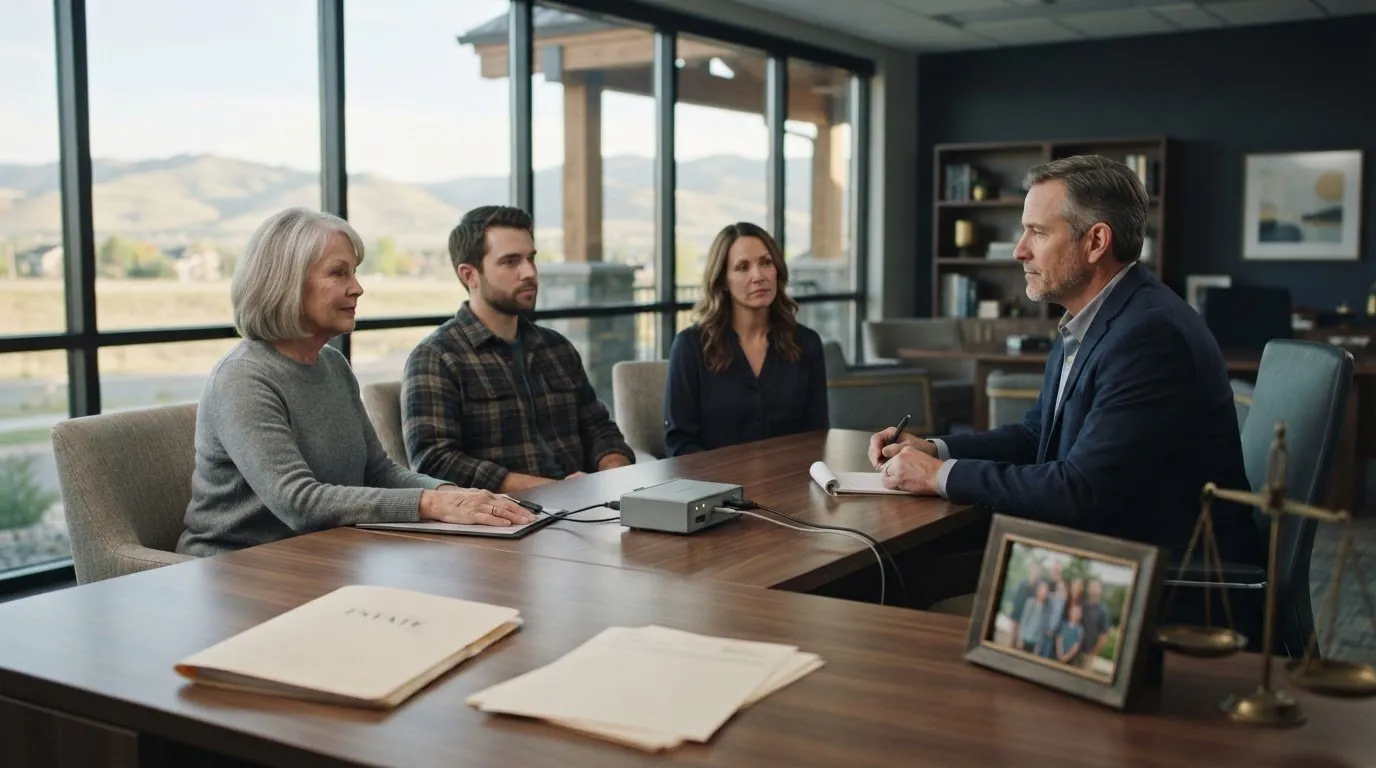
Could a focused polygraph help clarify who said what, or what happened around a disputed inheritance? A Nampa polygraph for contested inheritance claims may offer investigative insight when family accounts conflict, but it can’t determine who inherits. In a sensitive dispute, that distinction matters.
It’s understandable to want a clearer picture when uncertainty adds strain to grief and family relationships. This article explains which claims may be suitable for focused questions, what a civil polygraph can and can’t establish, and how examination information may complement other evidence. In Idaho, polygraph results generally can’t be admitted in court unless all parties agree in a written stipulation before the examination. Discuss legal questions with your attorney.
Morgan Polygraph provides civil examinations for clients in the Nampa area from its Boise office, serving Southern and Southwest Idaho. Learn what to expect from a professional, respectful process and how an examination may contribute investigative insight without replacing legal evidence or deciding inheritance rights.
Key Takeaways
- A Nampa polygraph for contested inheritance claims is best considered when a disagreement concerns a specific account of an event or conversation that can be framed in clear questions.
- A polygraph assesses physiological responses to structured questions. Its findings offer investigative insight, not a ruling on credibility or inheritance rights.
- Polygraph information, estate documents, witness accounts, and legal advice each have distinct roles when weighing conflicting claims.
- Prepare by identifying the disputed facts, organizing relevant dates, consulting counsel, and completing the required initial intake before an appointment.
- Morgan Polygraph serves Nampa-area clients with civil examinations, court-recognized expertise, and more than 50 years of combined examiner experience.
Nampa Polygraph for Inheritance Claims: What Disputes Can It Address?
An inheritance dispute can turn grief into prolonged conflict when relatives remember an important conversation or event differently. A civil polygraph may offer investigative insight into a clearly defined factual disagreement, but it can’t promise resolution or determine who is entitled to an estate. A Nampa polygraph for contested inheritance claims is most relevant when the question concerns a specific account of what someone said or did, not a broad conclusion about their motives or legal rights.
Which inheritance disputes involve testable factual questions?
A focused question identifies an event or statement that can be described plainly. “Did you speak with your parent about the will on a particular occasion?” is more specific than “Were you trying to take the inheritance?” The first concerns a reported conversation; the second asks for a judgment about motive and may combine assumptions with disputed facts.
Family accounts may conflict over whether a relative attended a meeting, delivered a document, or was present for a conversation about an estate. Disagreements may also involve what someone knew about a particular event or whether they took an action relevant to the dispute. These are examples for discussion, not conclusions about anyone’s conduct. An examination result does not establish that a will is valid, prove ownership, or confirm a legal claim.
Whether an issue is suitable depends on whether it can be framed as clear, relevant questions. Morgan Polygraph considers this during the required free initial intake conversation. The discussion helps identify the factual issue to examine. A general accusation or a question combining several events may not provide a useful focus. For background on the polygraph’s scientific basis, readers can review the broader overview and ongoing discussion of the method.
Why Nampa families may consider a civil polygraph
When relatives give different accounts, uncertainty can make communication difficult. The same disagreement may resurface in family discussions or complicate decisions about next steps. A civil examination can be considered as one source of investigative information about a defined account, alongside records, witness statements, and legal guidance. It is a limited tool, not a substitute for those sources or a way to compel family agreement.
That distinction is especially important in inheritance matters. Questions about who receives property, how an estate or trust should be handled, or what a court may decide are legal questions, not polygraph determinations. Morgan Polygraph conducts civil examinations from its Boise office and serves Southern and Southwest Idaho, including Nampa-area clients. The process addresses specific factual concerns professionally and respectfully, while leaving legal decisions to the appropriate legal process.
What a Polygraph Can, and Cannot, Clarify in an Inheritance Dispute
A polygraph examination assesses physiological responses while a person answers structured questions. Those responses are evaluated in relation to the examination, but they aren’t a direct measurement of truth. In an inheritance dispute, the purpose is narrower: to provide investigative insight about a specific account, not a verdict about a person’s honesty or rights.
What the examination may contribute
When an issue is clearly framed, focused questions may address a disputed factual account relevant to the matter. For example, an examination might concern whether someone recalls receiving a particular document or discussing a specific event. The examiner assesses responses to the questions, not what underlying documents mean or whether an account establishes a legal claim.
An attorney may consider examination information alongside estate documents, communications, witness accounts, and other relevant material. Each source contributes a different kind of information. A message may record what was written; testimony may describe what a person remembers; an examination may offer investigative information about responses to structured questions. None should be treated as decisive without regard to the full circumstances.
A polygraph can provide investigative information about an account; it cannot, by itself, prove a legal claim.
What a polygraph cannot decide
A polygraph cannot establish ownership, interpret a will, determine whether a trust provision applies, or decide who inherits. It also can’t replace documents or testimony. These limits matter because a physiological response is not independent proof that an event happened as described.
Whether results may be presented in court, and what weight they may carry, depends on the applicable legal process. In Idaho, polygraph results generally can’t be admitted unless all parties agree in a written stipulation before the examination. The admissibility of polygraph results in court can vary by jurisdiction and circumstance, so don’t assume an examination result will be accepted as evidence or determine a case.
If you’re considering testing while a legal dispute is active, discuss its potential role and any legal strategy with your attorney. Counsel can advise you about the specific matter and proceedings. Morgan Polygraph conducts civil examinations as an additional source of investigative insight, not as legal counsel or a decision-maker in an estate dispute.
For Nampa-area readers considering a civil examination, Morgan Polygraph’s civil polygraph services provide information about the examination process. A focused discussion of the disputed issue helps keep expectations measured: testing may add information for consideration, but legal conclusions remain separate.
Polygraph Results and Other Evidence: A Responsible Way to Compare Their Roles
Inheritance disputes often involve several kinds of information, each answering a different question. A polygraph examination may offer investigative information about responses to focused questions. Estate documents may show what was recorded or signed. Witnesses may describe what they observed or recall. An attorney can help assess how those sources relate to the specific dispute and its legal strategy.
How a polygraph differs from documents and witness accounts
Consider what each source can clarify and what it cannot establish on its own. No single category of information is automatically decisive. Context, reliability, and the issues in dispute all matter.
| Source | Information it may provide | Important limitation |
|---|---|---|
| Polygraph examination | Investigative information about a person’s physiological responses to structured questions concerning a specific account. | It does not independently prove that an event occurred, establish ownership, or decide inheritance rights. |
| Estate documents | Written terms, dates, signatures, or other details recorded in materials such as a will, trust, or related correspondence. | A document may need interpretation and may not resolve every disagreement about the events or conversations surrounding it. |
| Witness accounts | A person’s recollection of what they saw, heard, or did. | Accounts require evaluation alongside other information, including their context and any conflicting evidence. |
| Legal advice | Guidance about how information may relate to the dispute, applicable procedures, and legal strategy. | An attorney provides legal guidance, not an independent record of every disputed event. |
Admissibility, negotiations, and realistic expectations
A polygraph is not a guaranteed courtroom shortcut or a substitute for records, testimony, or legal analysis. In Idaho, polygraph results generally can’t be admitted unless all parties agree in a written stipulation before the examination. How that rule applies to a particular proceeding, and what use may be made of examination information, are questions for the parties’ attorneys and the relevant legal process.
Outside the courtroom, parties may discuss investigative information with counsel as they consider next steps. It may inform a conversation, but it doesn’t guarantee agreement, settlement, or a particular result. A Nampa polygraph for contested inheritance claims is one possible source of information, to be interpreted in context rather than treated as proof on its own.
If you’re considering a civil examination, schedule a free initial intake conversation with Morgan Polygraph by telephone or email. The intake is an opportunity to discuss the disputed issue and whether it can be framed as focused questions, without treating the examination as a replacement for legal advice or other evidence.

How to Prepare for a Nampa-Area Civil Polygraph Examination
Preparation doesn’t mean rehearsing answers. It means understanding the factual issue you want to address and allowing time to discuss it calmly. For a Nampa polygraph for contested inheritance claims, organize the disputed facts, consult your attorney if legal strategy is involved, complete the required intake, and attend your scheduled examination.
Before scheduling: organize the issue and consult counsel
Make a brief, factual outline of the event or conversation in dispute. Note relevant dates, what you recall, and the point that remains unclear. Separate what you personally remember from what you learned from someone else or from a document. This gives the intake conversation a practical starting point without turning preparation into coaching.
If the examination may affect an active legal matter, discuss it with your attorney before proceeding. Your attorney can advise you about legal strategy. Don’t rehearse responses, try to shape someone else’s answers, or conceal relevant information. Preparation is about identifying the issue, not directing the outcome.
Scheduling and attending at the Boise office
Examinations are by appointment, and scheduling is handled by telephone or email. A free initial intake conversation is required before an examination. During intake, the disputed facts and potential questions can be discussed to establish a focused scope. The intake is a required first step, not the examination itself.
Morgan Polygraph is located at 6126 W. State Street, Suite 208, Boise, Idaho 83703, and serves Southern and Southwest Idaho, including Nampa-area clients. Plan for the location and appointment in advance. Examinations average 90-120 minutes, and you should allow at least two hours so the appointment isn’t rushed.
Use this checklist to keep the process straightforward:
- Identify the particular disputed event, statement, or action.
- Write down relevant dates and distinguish firsthand recollection from information provided by others.
- Discuss legal strategy with your attorney if the dispute is active or court-related.
- Schedule by telephone or email, complete the free intake, and attend at the agreed appointment time.
Prepare the facts, not a script. A clear outline and an open intake conversation help define the examination process, but they don’t guarantee a particular finding or resolve the inheritance dispute.
To begin, schedule a free initial intake conversation with Morgan Polygraph by telephone or email. This discussion helps organize the issue before an examination is arranged.
Arrange a Confidential Inheritance-Dispute Polygraph with Morgan Polygraph
For families in Nampa and nearby communities, Morgan Polygraph provides civil examinations from its Boise office and serves Southern and Southwest Idaho. A sensitive inheritance matter calls for a measured, respectful process. An examination can offer investigative insight into a focused factual issue, while legal questions and inheritance decisions remain outside the examiner’s role.
What to expect from Morgan Polygraph
Morgan Polygraph’s examiners bring more than 50 years of combined experience and are court-recognized. Chip Morgan is a Nationally Certified Polygraph Examiner and senior polygraph instructor. This experience supports a methodical approach to civil examinations, with attention to the questions being addressed and the concerns of people involved in a difficult family situation.
The service integrates AI-powered behavioral speech analysis and facial micro-expression recognition. These tools are part of the examination process, alongside the examiner’s professional assessment. They don’t change what a polygraph can establish: results provide investigative information, not a ruling on the meaning of an estate document or who inherits.
Examinations are scheduled by appointment, following a required free initial intake conversation. The Boise office is ADA-compliant. The intake gives you an opportunity to discuss the issue before an examination is arranged and establish a clear, professional starting point without assuming a particular outcome.
Take the next step from Nampa
Morgan Polygraph’s office is located at 6126 W. State Street, Suite 208, Boise, Idaho 83703. To arrange the required intake conversation, call (208) 573-9405 or email lieguy@gmail.com. You can briefly describe the disputed factual issue and schedule the intake. You don’t need to resolve the legal dispute before beginning that conversation.
- Examinations are by appointment, with a free initial intake required beforehand.
- The average examination lasts 90-120 minutes, so allow at least two hours in your schedule.
- Phones are turned off during examinations, and messages are usually returned by the end of the day.
If you’re considering a Nampa polygraph for contested inheritance claims, contact Morgan Polygraph by telephone or email to schedule your initial intake. This practical first step lets you discuss whether the disputed facts can be framed for a civil examination. It doesn’t replace advice from your attorney or determine the outcome of an inheritance matter.
Choose a Clear Next Step for Your Family
A difficult inheritance disagreement can make every conversation feel like a demand to take sides. Before deciding what to do, consider what would make the next discussion more constructive: a clearly stated question, a better understanding of the examination process, or a conversation with your attorney about how additional information might fit your situation. You can take that step without expecting one examination to settle every family concern.
If you’re weighing a Nampa polygraph for contested inheritance claims, separate the question you want clarified from the outcome you hope for. That distinction helps keep expectations grounded and makes it easier to decide whether an examination is useful for your circumstances.
Morgan Polygraph offers a free initial intake conversation to discuss the issue and examination process. Schedule an initial intake conversation to take a measured first step. You deserve a respectful opportunity to understand your options and move forward with greater clarity.
Frequently Asked Questions
Can a polygraph determine who inherits an estate?
No. A polygraph can’t interpret a will, establish legal ownership, or decide who receives an inheritance. It may provide investigative information about a specific disputed account, such as whether someone recalls taking a particular action, but that information is only one part of a broader matter. An attorney can explain how relevant evidence and applicable law relate to your circumstances and what steps may be appropriate.
Is a polygraph result admissible in an Idaho inheritance case?
There’s no automatic guarantee that a result will be admitted. That requirement can affect how testing fits a pending dispute, so discuss it with your attorney before scheduling. Counsel can advise you about the specific proceeding and whether the examination may have a role in your legal strategy.
Can a polygraph help clarify conflicting statements between family members?
It may provide investigative insight if the disagreement can be framed as focused factual questions. For example, family members may give different accounts of whether a specific instruction was communicated. A broad question about someone’s character or motives is less precise. During the required initial intake, the issue can be discussed to determine whether it can be framed clearly. Keep expectations measured and seek legal guidance about the wider estate dispute.
What happens if family members disagree about what the polygraph means?
A polygraph result doesn’t settle the disagreement or make one person’s interpretation binding on everyone else. Keep discussion anchored to the specific issue examined, and don’t treat the result as a verdict about inheritance rights. Family members may still understand the information differently. If the disagreement affects an estate matter, an attorney can help explain how it fits with the documents, testimony, and other circumstances.
How much time should I allow for a civil polygraph appointment?
Allow at least two hours. Morgan Polygraph examinations average 90-120 minutes, and the required free initial intake conversation takes place before an examination is scheduled. Appointments are arranged by telephone or email at the Boise office. Phones are turned off while an examination is in progress, so plan to handle urgent calls before your appointment rather than expecting to be reached during the examination.
Can Morgan Polygraph serve clients in Nampa?
Yes. Morgan Polygraph serves Southern and Southwest Idaho from its Boise office, including Nampa-area clients. The office is at 6126 W. State Street, Suite 208, Boise, Idaho 83703. To begin, call (208) 573-9405 or email lieguy@gmail.com to arrange the required free initial intake conversation. You can discuss the disputed issue during intake before an examination appointment is scheduled.