
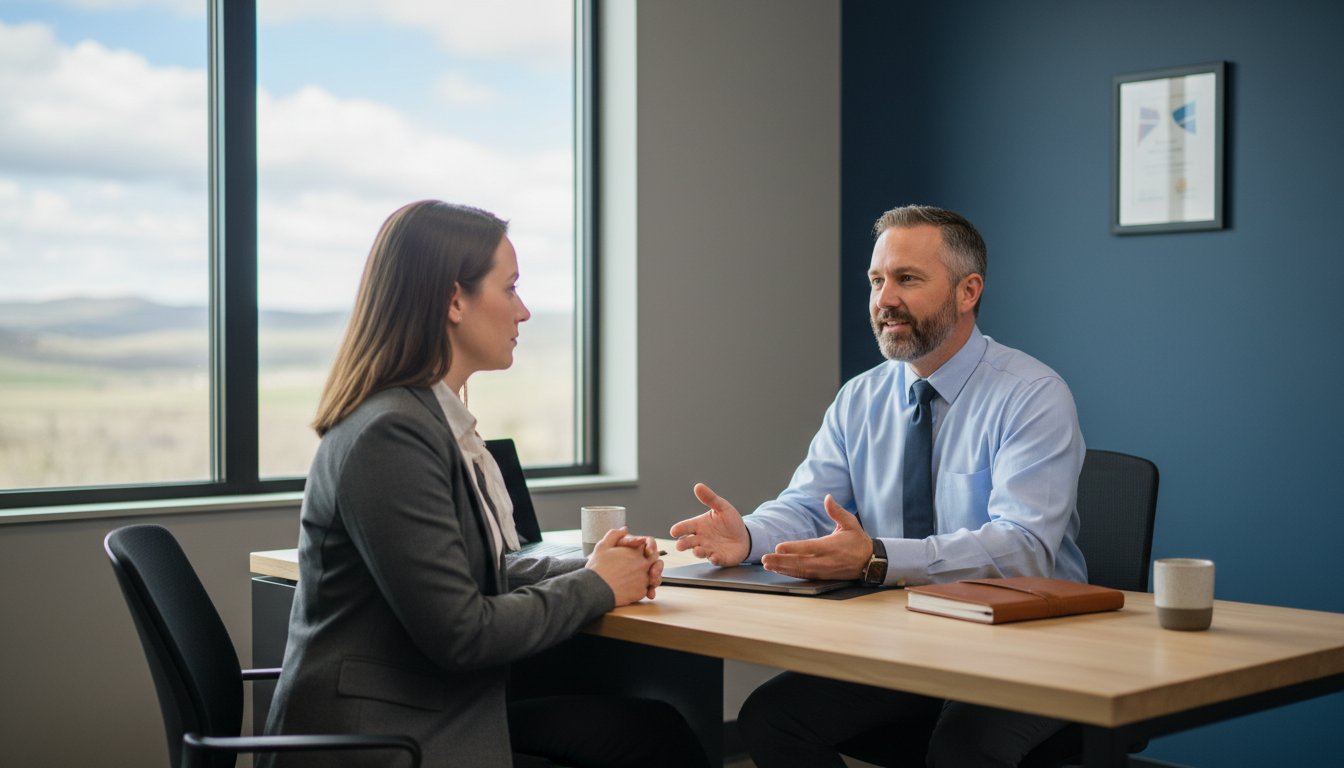
When facing a situation that demands absolute truth, the process of finding a professional you can trust is paramount. The anxiety of hiring an uncertified or unprofessional examiner, coupled with concerns about confidentiality and accuracy, can be overwhelming. Your search for a qualified local polygraph examiner near me shouldn’t add more stress to an already sensitive matter. You need complete confidence that your issue will be handled with the utmost discretion and expertise, ensuring the results are reliable and the investment is worthwhile.
This comprehensive guide is designed to provide that confidence. We will walk you through the essential, actionable steps for finding, vetting, and choosing a certified and experienced professional in your area. You will learn what credentials truly matter, how to verify an examiner’s qualifications, and what to expect from a professional, compassionate, and confidential truth verification process. By the end, you will have a clear roadmap to finding the right expert to help you achieve resolution and peace of mind.
Key Takeaways
- Prioritize certification and professional affiliations above all else when vetting an examiner to ensure the accuracy and integrity of your results.
- Utilize a clear 5-point vetting checklist to confidently compare examiners on key factors like experience, technology, and confidentiality.
- Master a step-by-step process that simplifies your search for a “local polygraph examiner near me,” taking you from initial contact to a confirmed, professional appointment.
- Demystify the polygraph process by learning what to expect before, during, and after your examination to ensure you are calm and prepared.
Why ‘Local’ and ‘Certified’ Are the Most Important Words in Your Search
The search for truth verification is a serious undertaking, often prompted by sensitive and significant life events. Your first and most critical step is not just finding an examiner, but finding the right one. When you type “local polygraph examiner near me” into a search bar, the two words that matter most are ‘local’ and ‘certified’. These terms are not just search modifiers; they are the foundational pillars of a credible, professional, and accurate polygraph examination. Understanding the specifics of what a polygraph is and how it works is important, but choosing a qualified practitioner is paramount. Not all examiners are created equal, and your outcome depends heavily on their expertise, ethics, and proximity.
The Advantages of a Face-to-Face Examination
In an increasingly digital world, the value of in-person interaction cannot be overstated, especially in a polygraph setting. A local examiner facilitates a face-to-face meeting, which is essential for building rapport and reducing the natural anxiety of the examinee, leading to more reliable results. It allows the expert to observe subtle, non-verbal cues that are lost over a video call. Furthermore, it eliminates the risk of technical glitches, connection issues, or environmental distractions that can invalidate a remote test.
Decoding Polygraph Credentials: What to Look For
Certification is the hallmark of a professional’s commitment to excellence and ethical conduct. Credentials from esteemed organizations like the American Polygraph Association (APA) signify that an examiner has completed rigorous training, passed comprehensive examinations, and adheres to a strict code of ethics. This commitment includes ongoing continuing education to stay current with the latest validated techniques. When you choose a certified professional, you are engaging an expert dedicated to accuracy and integrity.
Red Flags: How to Spot an Unqualified Practitioner
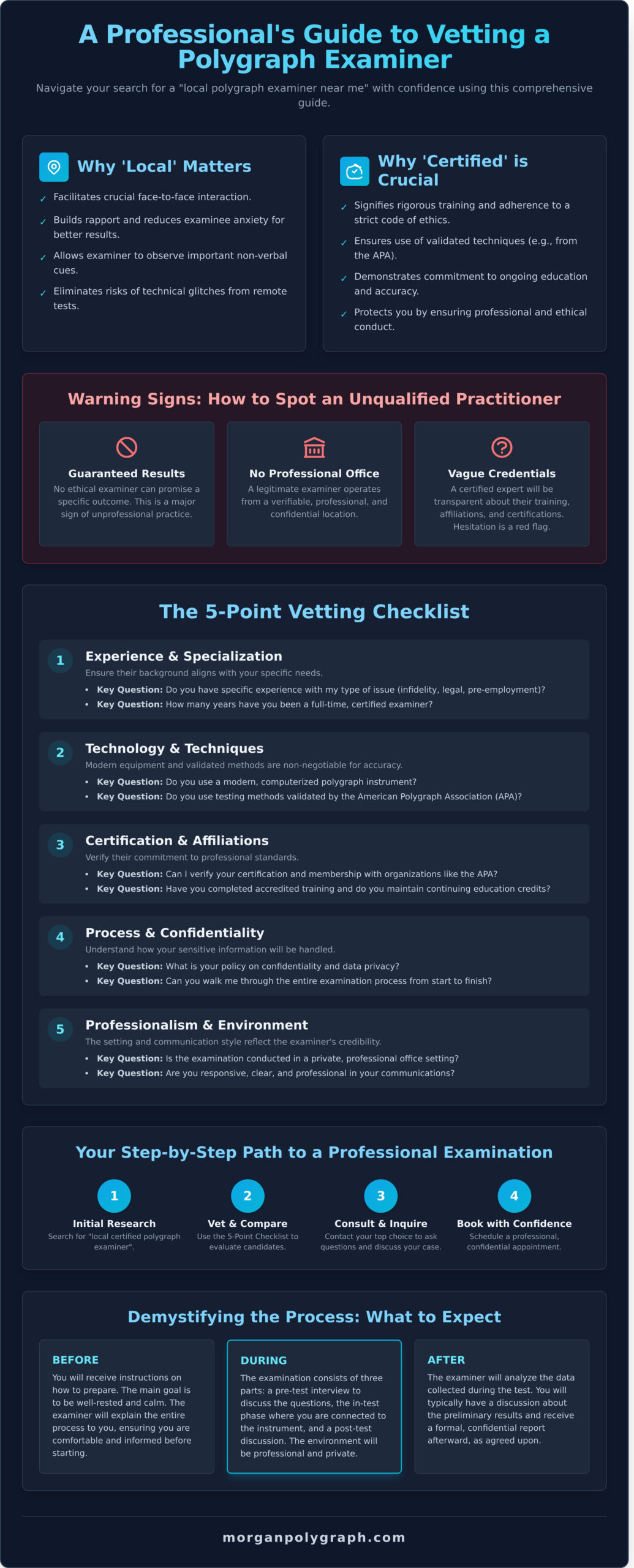
Protecting yourself from unqualified individuals is crucial. As you look for a local polygraph examiner near me, be wary of practitioners who exhibit unprofessional warning signs. A credible expert will be transparent and professional. Watch for these red flags:
- Guaranteed Results: No professional examiner can promise 100% accuracy or guarantee a specific outcome. The process is a diagnostic tool, and such promises are a sign of unethical practice.
- Lack of a Professional Office: A legitimate examiner will have a verifiable physical address and a professional, confidential setting for conducting examinations.
- Vagueness About Credentials: A certified expert will be proud to discuss their training, certifications, and affiliations. Hesitation or refusal to provide this information is a major concern.
The 5-Point Checklist for Vetting a Polygraph Examiner
When you search for a “local polygraph examiner near me,” you will find many options. However, the accuracy and validity of a polygraph test depend almost entirely on the skill and integrity of the person administering it. Not all examiners are created equal. This five-point checklist provides a professional framework to help you systematically evaluate your options and select a certified expert you can trust with sensitive matters. Use these questions to ensure you are choosing a credible and competent professional.
1. Experience and Specialization
An examiner’s background is a primary indicator of their capability. A generalist may not understand the nuances of your specific situation. It is crucial to inquire about their direct experience with cases like yours, as the questioning techniques for a corporate theft investigation differ significantly from those in a private relationship matter.
- Key Question: Do you have specific experience with my type of issue (e.g., infidelity, legal defense, pre-employment screening)?
- Key Question: How many years have you been practicing as a full-time, certified polygraph examiner?
- Key Question: What is your professional background (e.g., former law enforcement, federal agency)?
2. Technology and Techniques
The field of truth verification has evolved significantly. An examiner using outdated analog equipment is a major red flag, as modern, computerized systems offer far greater precision and data analysis. A professional examiner must be committed to ongoing education and use validated testing methods recognized by leading bodies like the American Polygraph Association (APA) to ensure the highest degree of accuracy.
- Key Question: Do you use modern, computerized polygraph instrumentation?
- Key Question: Are your testing techniques evidence-based and accepted by major polygraph associations?
3. Professionalism and Confidentiality
From the first phone call to the final report, every interaction should be handled with the utmost professionalism and discretion. A trustworthy examiner will operate from a professional office, communicate clearly, and treat your situation with respect and compassion. Their confidentiality policy should be transparent and absolute, giving you confidence that your privacy is protected.
- Key Question: Do they have a professional website and office environment?
- Key Question: Will you provide a clear, written confidentiality agreement?
- Key Question: Are they patient and willing to answer all my questions thoroughly before the exam?
4. Court Recognition and Legal Standing
One of the most powerful indicators of an examiner’s credibility is whether they have been qualified as an expert witness in a court of law. This demonstrates that their expertise, methods, and reputation have withstood intense legal scrutiny. Even if your matter is personal and not legal, choosing a court-recognized expert ensures you are working with a local polygraph examiner near me who meets the highest professional standards.
- Key Question: Have you ever been qualified to provide expert testimony in state or federal court?
Your Step-by-Step Guide to Finding and Booking a Local Examiner
Navigating the process of finding and scheduling a polygraph test can feel overwhelming, especially when dealing with a sensitive matter. This practical guide breaks down the task into three manageable steps, transforming knowledge into decisive action. By following this structured approach, you can confidently select a qualified professional who meets your specific needs.
Step 1: The Initial Search and Shortlist
Begin your search with precision. Use targeted online searches such as “certified polygraph examiner in [Your City]” or “find a local polygraph examiner near me” to generate an initial list of candidates. For the most reliable results, consult the member directories of esteemed professional organizations like the American Polygraph Association (APA) or the American Association of Police Polygraphists (AAPP). If your situation involves legal matters, a referral from a trusted attorney can provide a pre-vetted, highly credible option.
Step 2: Website Review and Initial Vetting
Once you have a shortlist, your next step is to perform due diligence by carefully reviewing each examiner’s website. A professional and informative website is a strong indicator of a credible practice. Look for clearly listed credentials, such as certifications and memberships in professional bodies. The site should detail the types of services offered and provide transparent contact information. Pay close attention to any available client testimonials or reviews, as they offer valuable insight into the client experience.
Step 3: The Critical First Phone Call
The initial consultation by phone is a critical step in making your final decision. Before you call, prepare a list of questions based on the 5-point checklist discussed in the previous section. This is your opportunity to gauge the examiner’s professionalism, experience, and willingness to discuss their process. A professional examiner should be able to discuss their methodology and be transparent about the process; you can inform your questions by reading the scientific view on polygraph tests from the American Psychological Association. Be sure to ask about:
- Their specific experience related to your type of case.
- The complete cost of the examination and what it includes.
- The estimated duration of the entire appointment.
- How the final results will be delivered (e.g., verbal debrief, written report).
This conversation should leave you feeling confident and informed, not pressured. Trust your judgment and choose the expert who provides clear, respectful, and comprehensive answers.
Preparing for Your Polygraph Appointment: What to Expect
Understanding the polygraph process is the first step toward alleviating any anxiety you may feel before your appointment. A professional truth verification exam is not an interrogation; it is a structured, methodical process designed to be as accurate and objective as possible. When you find a certified local polygraph examiner near me and book a session, knowing the procedure beforehand ensures you arrive prepared and confident.
The Three Phases of the Examination
A standard polygraph test is conducted in a controlled, private environment and consists of three distinct parts. Your examiner will walk you through each one:
- The Pre-Test Interview: This is a crucial conversation where the examiner discusses the specific issue with you. Together, you will review and formulate the exact questions that will be asked during the test. This phase ensures there are no surprises.
- The In-Test (Data Collection): During this phase, you will be comfortably connected to the polygraph instrument. The examiner will ask the previously reviewed questions multiple times while the instrument records your physiological responses.
- The Post-Test Phase: After data collection is complete, the examiner will analyze the charts. They will then discuss the results of the examination with you, providing a professional conclusion based on the recorded data.
How to Ensure an Accurate and Fair Test
Your physical and mental state can influence the test’s outcome. To ensure the highest degree of accuracy, we advise clients to:
- Get a full night of restful sleep before your appointment.
- Avoid consuming alcohol or using non-prescribed drugs for at least 24 hours prior to the exam.
- Be completely honest with your examiner about any medical conditions or prescription medications you are taking. This information is confidential and essential for a valid reading.
Myths vs. Reality: Countermeasures and Accuracy
Many websites claim to offer tips on how to ‘beat’ a polygraph. These so-called countermeasures, such as controlled breathing or creating artificial physical responses, are often ineffective and easily detected by a trained, certified examiner. Attempting to manipulate the test can be interpreted as deception and will compromise the integrity of your results. The best policy for an accurate and fair outcome is simple: be cooperative, calm, and honest. A professional examiner is an impartial expert focused on objective truth verification. For a confidential consultation, you can contact an expert to discuss your specific needs.
Why Morgan Polygraph is Boise’s Choice for Certified Examinations
Throughout this guide, we’ve detailed the critical criteria for selecting a qualified polygraph professional. When your search for a “local polygraph examiner near me” leads you to a critical decision, you need assurance that you are choosing an expert who embodies integrity, experience, and the highest ethical standards. At Morgan Polygraph, we don’t just meet these benchmarks; we are the standard for professional truth verification in Boise and across Idaho.
Nationally Certified and Court-Recognized Experts
Your peace of mind depends on the credibility of your examiner. Our professionals are fully certified by the American Polygraph Association (APA), the industry’s most respected accrediting body. Furthermore, our examiners have a proven track record as court-recognized expert witnesses in Idaho, a testament to our precision and unwavering professionalism. When you choose Morgan Polygraph, you are choosing a service whose results are built on a foundation of ethical conduct and validated techniques.
Specialized Experience for Your Specific Needs
Polygraph testing is a highly specialized field, and not all situations are the same. The protocols for a sensitive relationship issue differ greatly from those required for a criminal defense case. We bring decades of focused experience to every type of examination, ensuring the right approach for your unique circumstances. Our areas of expertise include:
- Criminal and Civil Litigation Support
- Infidelity, Relationship, and Family Matters
- Post-Conviction Sex Offender Testing (PCSOT)
- Private and Corporate Internal Investigations
We understand the nuances required for accurate and reliable results in each of these areas. Discuss your specific case with our experts today.
A Confidential, Compassionate, and Local Service
We recognize that the circumstances leading you to seek a polygraph are often stressful and deeply personal. Your privacy is our highest priority. From the first phone call to the delivery of your confidential report, we provide a respectful, non-judgmental, and secure environment. Conveniently located in Boise to serve all of Idaho, we are the compassionate, professional, and accessible solution for those who need a trusted local polygraph examiner near me. Let our expertise provide the clarity you deserve.
Your Final Step: Securing a Trusted Polygraph Professional
Finding the right professional for a polygraph examination requires careful consideration. This guide has emphasized that prioritizing certified experts is paramount for ensuring accuracy, and your search for a local polygraph examiner near me is about more than just proximity-it is about finding a credible partner you can trust. By using the 5-point vetting checklist, you are now equipped to make a confident and informed decision.
For those in Boise and across Idaho, Morgan Polygraph represents the highest standard of truth verification. Our team offers over 40 years of combined experience and is both Nationally Certified & Court-Recognized. We handle every case with the discreet and professional service your situation demands. When you are ready to move forward with certainty, we are here to provide the clarity you need.
Take the next step toward resolution. Schedule a Confidential Consultation with Our Boise Examiner and let our expertise guide you.
Frequently Asked Questions
How much does a polygraph test from a local examiner typically cost?
The cost for a professional polygraph test varies based on the complexity of the issue. A private matter, such as infidelity or a family dispute, typically ranges from $400 to $800. More complex cases for legal or corporate purposes may have a different fee structure. We provide a firm, confidential price quote during the initial consultation to ensure you have a clear understanding of the investment in obtaining the truth and resolving your specific issue.
How long does a professional polygraph examination usually take?
A complete, professional polygraph examination is a thorough process that typically takes between 90 minutes and three hours. This includes a detailed pre-test interview to discuss the issue and formulate precise questions, the in-test phase where physiological data is collected, and a post-test review of the results. This comprehensive approach is essential to ensure the highest level of accuracy and allows for a complete analysis during the truth verification process.
Are the results of my polygraph test kept confidential?
Absolutely. Confidentiality is a cornerstone of our professional practice. All aspects of your polygraph examination, from the initial consultation to the final results, are held in the strictest confidence. The results are disclosed only to the person or authorized party who arranged for the test. We are committed to providing a secure and discreet environment for every client, ensuring your sensitive information is protected with the utmost professional care and integrity.
Can a polygraph test help with personal relationship or infidelity issues?
Yes, a polygraph test can be an effective tool for resolving painful uncertainties within a personal relationship. When trust has been broken, an exam conducted by a compassionate and expert local polygraph examiner near me can provide clarity on issues of infidelity or other specific betrayals. It offers a structured, unbiased way to verify the truth, allowing couples to move forward with factual information rather than suspicion and begin the process of rebuilding trust.
Are polygraph results admissible in court in Idaho?
In Idaho, the admissibility of polygraph results in court is handled on a case-by-case basis and is not automatic. Generally, results may be admitted if both the prosecution and defense agree to a pre-trial stipulation. While not always used as direct evidence, the results from a certified examiner are often valuable for attorneys during case preparation, plea negotiations, and post-conviction supervision. We recommend consulting with your legal counsel regarding your specific case.
What is the accuracy rate of a polygraph test done by a certified examiner?
When conducted by a certified, expert examiner following validated testing protocols, polygraph examinations have a very high accuracy rate, often exceeding 90%. At Morgan Polygraph, we enhance this traditional accuracy by integrating cutting-edge AI-powered tools for behavioral and speech analysis. This blend of decades of experience and modern technology ensures we provide the most reliable and precise truth verification services available when you need to find a trusted expert.