
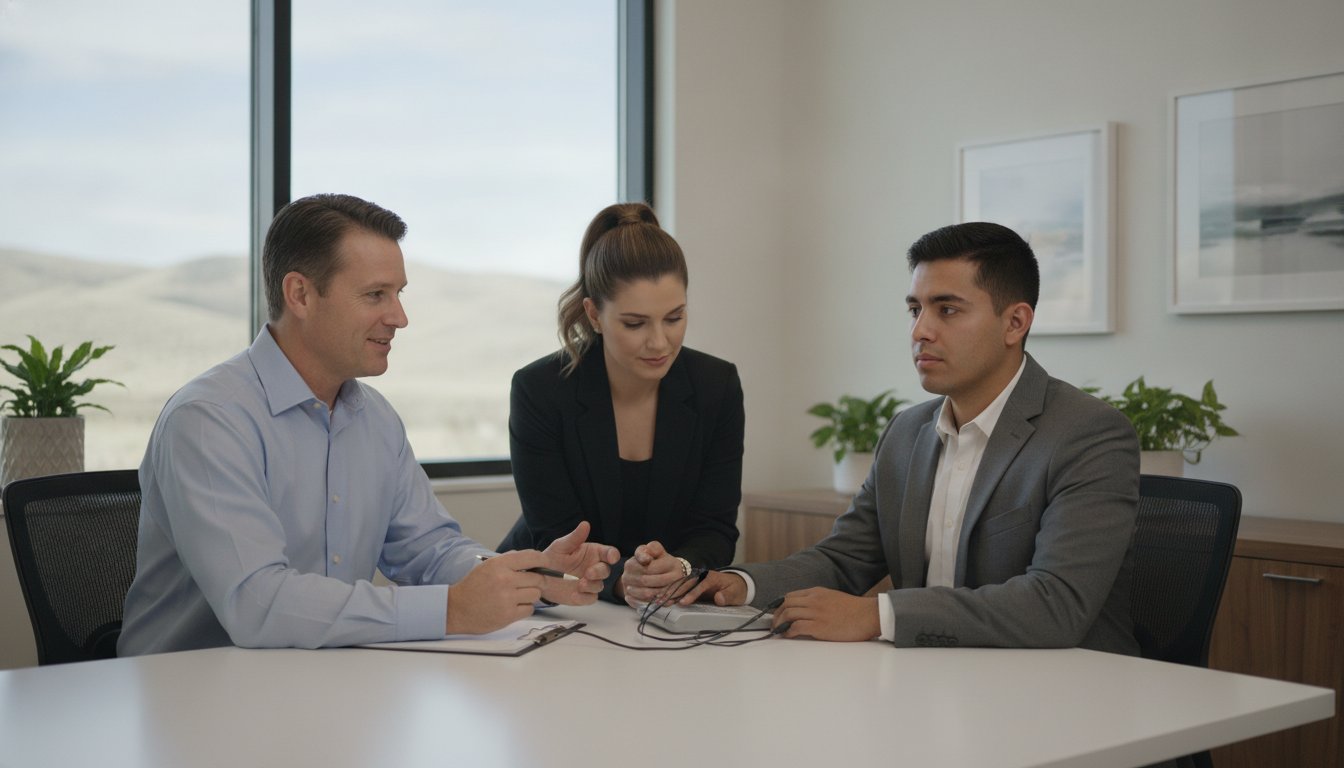
Can the subtle nuances of human physiology truly be captured when there is a language barrier between the examiner and the examinee? It’s natural to feel anxious that a cultural misunderstanding or a simple translation error could lead to a false positive result. In Idaho, where finding a qualified interpreter often feels like a significant hurdle, these concerns can make an already sensitive situation feel overwhelming. You deserve a process that’s both fair and scientifically sound.
This guide will show you how a polygraph test with a translator is conducted to maintain the highest standards of accuracy, ensuring your results are both reliable and legally defensible. We’ll explore the rigorous protocols used to select neutral interpreters who provide verbatim translation without bias. You’ll learn about the procedural adjustments that protect the integrity of the data and exactly what you should expect during the session. By understanding these methodical safeguards, you can approach your examination with the calm confidence that comes from knowing every detail is handled with professional precision.
Key Takeaways
- Understand why professional interpretation is essential for high-stakes examinations, even when an examinee has a basic grasp of conversational English.
- Learn the specific procedural safeguards used during a polygraph test with a translator to prevent cultural misunderstandings and ensure data integrity.
- Discover the strict selection criteria for neutral interpreters who are required to provide verbatim translation without paraphrasing or ad-libbing.
- Identify the essential preparation steps for a multilingual session, including the importance of specifying regional dialects to your examiner well in advance.
- Gain insight into how specialized protocols like back-translation result in a fair, accurate, and legally defensible examination.
The Necessity of a Polygraph Test with a Translator
Precision is the foundation of any Polygraph examination. When a language barrier exists, the interpreter functions as a neutral language bridge between the examiner and the subject. They don’t act as participants or advocates; their sole purpose is to facilitate an exact, verbatim exchange of information. A polygraph test with a translator is a specialized procedure that requires precise three-way synchronization between the examiner, the interpreter, and the examinee to maintain the integrity of the physiological data.
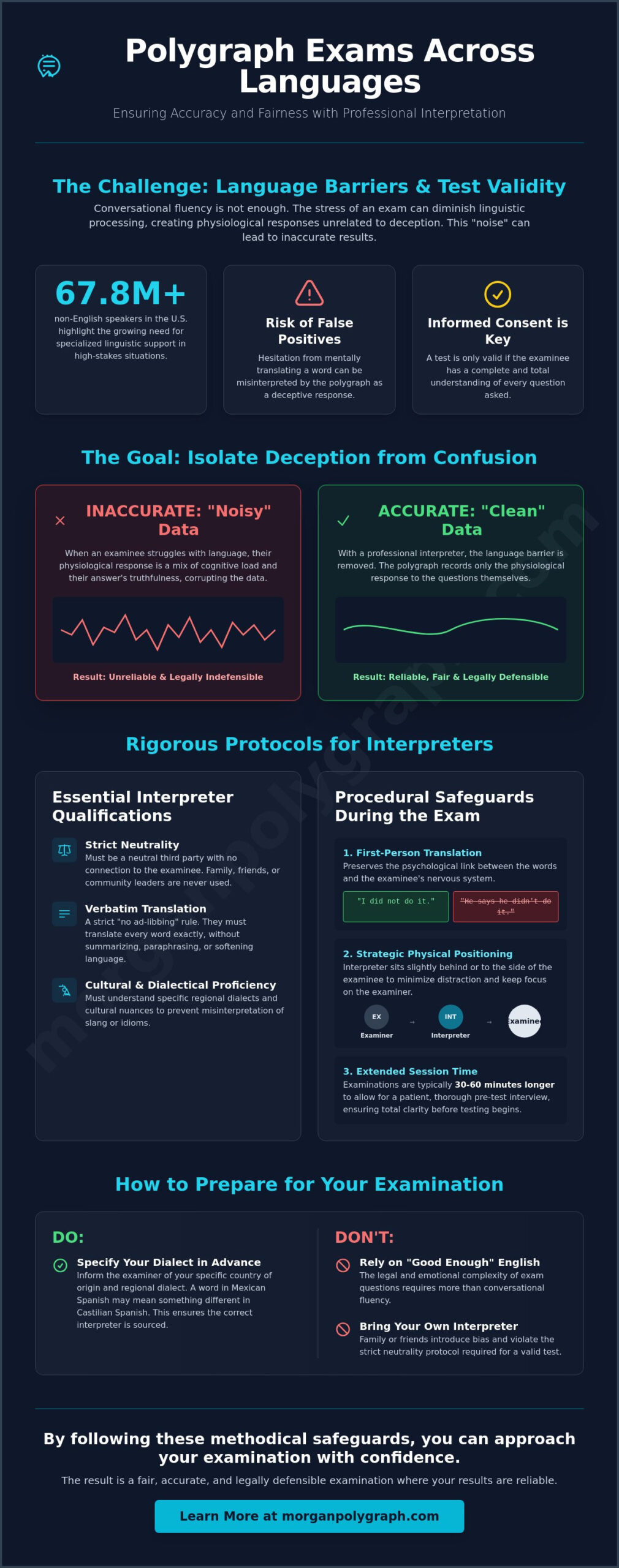
Relying on conversational fluency is a common mistake in high-stakes testing. With over 67.8 million non-English speakers in the U.S., the need for specialized linguistic support is clear. “Good enough” English often fails when faced with complex legal terminology or the specific emotional triggers used in an exam. If an examinee hesitates because they’re mentally translating a word, the equipment records that physiological shift. This creates an ethical and legal risk. For a test to be valid, the examinee must provide informed consent, which is impossible without a complete and total understanding of every question.
When is a Translator Required?
We determine the need for an interpreter based on the examinee’s ability to communicate complex concepts comfortably. Even if someone uses English daily at work, the stress of an investigation can diminish their linguistic processing. In Idaho, maintaining a professional standard means we never use family members, friends, or community leaders as interpreters. These individuals often attempt to “help” by paraphrasing or explaining, which is a direct violation of polygraph protocol. A professional interpreter is a neutral voice that ensures the process remains objective and unbiased.
The Goal: Physiological and Cognitive Clarity
The primary objective is to separate the examinee’s physiological responses to the investigation from the inherent stress of a language barrier. When a subject is confused, their heart rate and respiration may change as they struggle to understand. This confusion creates “noise” in the charts, which can lead to a false positive result. Understanding how accurate polygraphs are depends on isolating these variables. Because an interpreter-assisted examination typically takes 30 to 60 minutes longer than a standard session, we prioritize a patient, thorough pre-test interview. This ensures the examinee is reacting only to the truth or deception of their answers, not to the difficulty of the conversation.
Selection and Protocols for Polygraph Interpreters
Success in a polygraph test with a translator isn’t just about finding someone who speaks the language. It requires a rigid adherence to forensic protocols that prevent the interpreter from becoming an unpredictable variable in the data. We require interpreters to follow a strict “no ad-libbing” rule. They must translate every word exactly as spoken, without summarizing, explaining, or softening the language. If an examiner asks a direct question about a specific act, the translator cannot paraphrase it into a general inquiry. This level of precision ensures that the examinee’s physiological response is tied directly to the intent of the question.
Physical positioning also plays a critical role in maintaining the subject’s focus. The interpreter usually sits slightly behind or to the side of the examinee. This arrangement minimizes visual distractions and keeps the primary interaction focused on the examiner’s voice and the equipment’s sensors. We also enforce a “first-person” translation rule. The interpreter must say “I did not do it” rather than “He says he didn’t do it.” This preserves the psychological connection between the spoken words and the examinee’s own autonomic nervous system, which is essential for a clean reading.
Essential Qualifications for the Translator
Technical proficiency is non-negotiable. An interpreter must understand specific regional dialects and cultural nuances to avoid confusion. For example, a word that is neutral in one Spanish-speaking country might be a confusing slang term in another. Following the Multicultural Guidelines established by professional psychological organizations, we prioritize cultural competence to mitigate bias. The interpreter must be a neutral third party with no personal or professional connection to the examinee. This independence is vital for maintaining the absolute confidentiality of the session. If you are coordinating a sensitive case, choosing a provider who understands these specialized interpretation protocols is the first step toward a valid result.
Pre-Test Briefing for the Interpreter
Before the session begins, the examiner conducts a detailed briefing with the translator. We train them on the specific rhythm of a polygraph exam. Unlike a standard conversation, polygraphy relies on deliberate pauses to allow physiological sensors to return to a baseline state. The interpreter must learn to wait for the examiner’s signal before speaking. When arranging a polygraph test with a translator, the examiner’s role in training the translator on specific polygraph phrasing is paramount. There is no room for variation during the actual chart collection. This preparation ensures that the translation time is accounted for and that the flow of the exam remains steady and predictable.
Maintaining Accuracy and Addressing Cultural Nuance
A central concern for many clients is whether the presence of a third party compromises the validity of the results. You might wonder, are polygraphs accurate when an interpreter mediates the conversation? The answer lies in the science of the autonomic nervous system. Physiological responses are universal, regardless of the language spoken, because the body reacts to the internal realization of deception rather than the specific sounds of the words used. When a polygraph test with a translator is conducted following strict protocols, the interpreter acts as a transparent conduit that doesn’t interfere with these biological signals.
The Back-Translation Method
We use a rigorous process called back-translation to ensure that every question retains its exact meaning in the target language. Before the sensors are attached, the examiner provides the questions to the interpreter. The interpreter translates them into the target language, and then a second, independent check or a detailed review ensures those words mean exactly what the examiner intended. This prevents common linguistic pitfalls where a word might have multiple meanings or cultural baggage that could confuse the examinee. By documenting the specific translated version of each question in the final report, we adhere to the American Polygraph Association (APA) Standards of Practice, providing a transparent and verifiable record of the examination.
This methodical approach eliminates the risk of “word-meaning” contamination. For example, a simple term like “theft” can have different legal and social connotations in different cultures. We work closely with the interpreter to select terms that carry zero ambiguity. This level of preparation ensures that the examinee’s physiological data is a response to the facts of the case, not a reaction to a poorly chosen word.
Cultural Sensitivity in Lie Detection
Accuracy also depends on the examinee’s psychological state during the pre-test interview. Different cultures have varying perceptions of authority and direct questioning. If a subject feels disrespected or overly intimidated by the process, their baseline physiological readings may become unstable. We prioritize a professional and compassionate environment where regional dialects are respected. This cultural competence helps the examinee feel understood, which is necessary for establishing a clean, calm baseline before the actual testing begins. Managing these nuances is what allows a polygraph test with a translator to produce results that are as reliable as a standard English-language exam.
How to Prepare for a Polygraph with a Translator
Proper coordination is the first step toward a successful outcome. When you are searching for a polygraph near me, it’s vital to discuss language requirements during the initial consultation. A polygraph test with a translator isn’t a standard session; it requires specific logistical planning to ensure all parties are prepared for the unique rhythm of a translated exam. You must provide the examiner with the specific dialect or region of the examinee well in advance. For example, a Spanish speaker from Mexico may use different terminology than one from Spain. These nuances are critical for maintaining physiological clarity and preventing confusion during the test.
You should also account for the extended duration of the session. Research indicates that an interpreter-assisted examination typically takes 30 to 60 minutes longer than a standard one. This extra time allows for the deliberate repetition of questions and the necessary pauses that ensure the equipment captures accurate data. Rushing the process can lead to stress-induced readings that compromise the result. If you need to schedule a multilingual examination, please reach out early to ensure we can coordinate the appropriate resources for your case.
Preparing the examinee for the presence of a third person in the room is equally important. In a standard exam, it’s just the examiner and the subject. Adding an interpreter changes the dynamic. You should inform the examinee that the translator is a neutral professional whose only job is to ensure they’re understood perfectly. This preparation helps the examinee remain focused on the questions rather than the environment, which is essential for establishing a stable physiological baseline.
Logistics and Coordination
The responsibility for hiring a translator often rests with the examiner. This ensures the individual is a neutral, independent party with no stake in the outcome. We verify the translator’s credentials and their experience in forensic settings before the appointment date. For those in Boise and the Treasure Valley, scheduling should be handled as early as possible. This allows us to secure a qualified professional who matches the required language and dialect, ensuring the results are legally defensible and scientifically sound.
What the Examinee Should Know
Transparency helps reduce the examinee’s anxiety and builds the trust necessary for a valid test. You should explain the process in their native language before they arrive at our office. Assure them that the translator is there to act as their voice, not as an investigator or a judge. It’s also vital that they follow standard polygraph examination guidelines. This includes being well-rested, having a light meal before the appointment, and continuing to take any regularly prescribed medications as directed by their physician.
Expert Multilingual Polygraph Services in Boise, Idaho
At Morgan Polygraph, we provide a specialized environment where language is never a barrier to justice or clarity. Our approach to a polygraph test with a translator is built on the same rigorous, data-driven methodology that defines our standard examinations. Boise attorneys and private clients trust our services because we refuse to compromise on the procedural control required for court-recognized results. By integrating modern technology with a deep respect for the human element, we ensure every participant feels heard and every result is scientifically defensible. We believe that everyone deserves a fair process, regardless of their native tongue.
We have extensive experience managing complex legal and private cases that require specialized interpretation. Whether the matter involves criminal and civil case polygraphs or sensitive infidelity and relationship testing, our protocols remain consistent and precise. We understand that a multilingual exam involves higher stakes and a greater potential for examinee anxiety. Our facility is designed to be a discreet, professional space where the clinical nature of the test is balanced with compassionate care. This commitment to excellence has established our reputation as a preferred provider for those requiring a polygraph test with a translator in the Treasure Valley.
Nationally Certified Expertise
Our lead examiner brings decades of industry experience and a long list of professional affiliations to every session. This background is particularly valuable when navigating the Idaho legal system, where diverse populations require a nuanced understanding of cultural differences. We adhere strictly to the American Polygraph Association (APA) standards for the use of interpreters. This means we don’t just find someone who speaks the language; we ensure the interpreter is trained in the specific rhythmic and ethical requirements of forensic psychophysiology. Our history of working with local legal professionals underscores our standing as a credible, authoritative voice in the field. We stay at the forefront of the industry by integrating new methodologies that improve the accuracy of every multilingual session.
Book Your Translated Examination
Requesting a translated session is a straightforward, methodical process. When you contact our office, simply specify the language and regional dialect required for the examinee. This early communication allows us to secure a neutral, qualified interpreter and allocate the necessary time for a thorough examination. We maintain a highly organized operation to ensure your appointment proceeds without logistical delays or ambiguity. Contact Morgan Polygraph today to discuss your specific language requirements and take the next step toward a fair and accurate examination. Our team is ready to provide the professional, innovative support your case deserves in a setting that prioritizes your privacy and peace of mind.
Securing Accurate Results Across Every Language
Accurate communication is the bedrock of a reliable forensic examination. By utilizing rigorous protocols like back-translation and the selection of neutral, expert interpreters, we eliminate the variables that lead to confusion or false positives. A polygraph test with a translator is not just a conversation; it’s a highly synchronized procedure designed to protect the integrity of your results and ensure every question is understood with absolute clarity. You don’t have to let a language barrier stand in the way of a fair and accurate outcome.
Our team provides the expertise you need through nationally certified and court-recognized examiners who utilize state-of-the-art polygraph technology. We operate from a discreet Boise office location, ensuring your sensitive matters are handled with the highest level of confidentiality and professional care. When the stakes are high, you can rely on our methodical approach to deliver results that are both scientifically sound and legally defensible.
Schedule a Professional Translated Polygraph in Boise and take the next step toward a clear, transparent resolution today.
Frequently Asked Questions
Is a polygraph test with a translator as accurate as one in English?
A polygraph test with a translator is just as accurate as one conducted in English when specific forensic protocols are followed. Physiological responses like heart rate and skin conductivity are universal human reactions that occur regardless of the language spoken. Accuracy is maintained through a methodical three-way synchronization where the examiner, interpreter, and examinee work together to ensure every question is understood clearly before recording any data.
Can I bring my own family member to translate during the polygraph?
You cannot bring a family member, friend, or community leader to act as an interpreter for a professional examination. These individuals lack the necessary neutrality and often attempt to paraphrase or explain questions, which contaminates the physiological data. To ensure a fair and legally defensible result, we require a professional, independent third party who will provide a strictly verbatim translation without adding personal bias or emotional influence.
How much longer does a polygraph take with a translator?
You should expect the session to take approximately 30 to 60 minutes longer than a standard examination. This additional time is necessary to accommodate the deliberate pauses required for translation and to ensure the examinee has fully processed each question. Rushing this process can create unnecessary stress, so we prioritize a patient rhythm to maintain the integrity of the physiological charts and ensure the subject is comfortable.
Does the translator need to be a certified court interpreter?
While requirements vary by case type, we prioritize interpreters with high levels of technical proficiency and neutrality. In legal or court-stipulated matters, using a certified court interpreter is often the standard to ensure the results are recognized by the judicial system. Our primary focus is ensuring the translator understands the strict “first-person” rules and the importance of verbatim accuracy during the data collection phase.
Will the translator see the results of the polygraph test?
The translator does not typically see or interpret the final results of the examination. Their role is strictly limited to facilitating communication during the pre-test interview and the actual testing phase. Once the data collection is complete, the examiner analyzes the charts privately. The final report and results are shared only with the client or their legal counsel to maintain absolute confidentiality and professional discretion.
What happens if there is no word for a specific concept in my language?
If a specific concept doesn’t have a direct equivalent in the target language, we use the pre-test interview to establish a clear, descriptive phrase that the examinee understands. We utilize back-translation to verify that the substituted wording carries the exact same intent as the original question. This prevents any linguistic ambiguity or confusion that could otherwise trigger a physiological response unrelated to the truthfulness of the answer.
Are there extra fees for conducting a polygraph with a translator?
Conducting a polygraph test with a translator usually involves additional costs to cover the interpreter’s professional time and specialized expertise. Because these sessions require more coordination and take longer to complete than standard exams, the total investment is higher. We recommend discussing these logistical details during your initial consultation so you can plan accordingly for the specific requirements of your criminal or civil case.
Can the translator influence my physiological responses?
A professional translator is trained to remain a neutral “voice” and should not influence your physiological responses. We position the interpreter slightly behind or to the side of the examinee to minimize visual distractions and maintain a clinical environment. This ensures your body’s reactions are tied solely to the truthfulness of your answers rather than the presence, tone, or behavior of the third person in the room.