

What if the most painful part of your recovery journey isn’t the addiction itself, but the constant, gnawing doubt that you’re still being lied to? For those navigating the wreckage of betrayal trauma, gaslighting often feels like a second, deeper injury. It’s natural to seek a definitive way to stop the cycle of deception. You’ve likely asked yourself, how accurate is a sex addiction polygraph test when it comes to finally securing the truth?
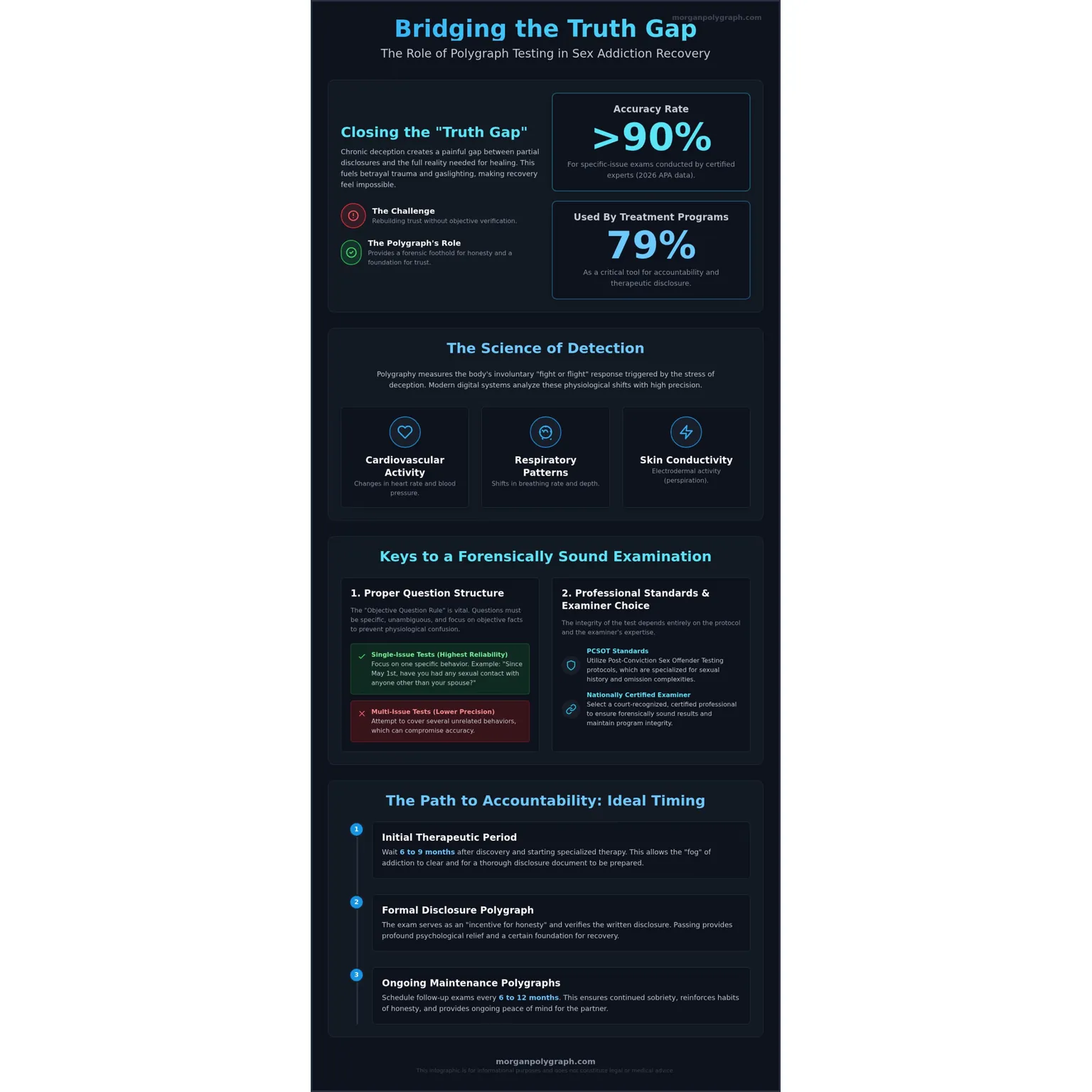
We understand that you need more than just hope; you need objective verification. While no technology is infallible, current 2026 data shows that specific-issue exams conducted by certified experts maintain accuracy rates consistently over 90%. This guide will help you understand these clinical figures, the forensic limitations of the process, and the essential role polygraphs play in creating a foundation for rebuilding trust. We’ll examine how 79% of treatment programs now use these tests as a tool for accountability. You’ll learn how specialized Post-Conviction Sex Offender Testing (PCSOT) standards provide a methodical, data-driven path toward a transparent future.
Key Takeaways
- Understand how American Polygraph Association standards and single-issue testing protocols drive clinical accuracy rates to their highest levels.
- Learn exactly how accurate is a sex addiction polygraph test when used as a forensic anchor to verify therapeutic disclosures and close the truth gap created by chronic deception.
- Identify the specific methodologies, such as Post-Conviction Sex Offender Testing (PCSOT) protocols, that effectively address the complexities of sexual history and omission.
- Discover the Objective Question rule and why properly structured questions are vital for preventing physiological confusion during an examination.
- Recognize why selecting a court-recognized, nationally certified examiner in Boise is essential for maintaining the integrity of your recovery program.
The Role of Polygraph Testing in Sex Addiction Recovery
Recovery from compulsive sexual behavior is often stalled by what clinicians call the “Truth Gap.” This gap represents the distance between an addict’s partial disclosures and the partner’s need for the full reality. Without a baseline of total honesty, betrayal trauma continues to fester, making reconciliation nearly impossible. Disclosure isn’t just a list of past mistakes; it’s a clinical necessity for healing. When partners ask, how accurate is a sex addiction polygraph test, they’re really asking if they can finally stop waiting for the next hidden secret to surface.
A polygraph serves as a forensic foothold in this process. Chronic deception destroys a partner’s ability to trust their own intuition. By providing an objective data point, the examination allows the couple to move past the investigative phase of recovery. Unlike a criminal polygraph, which focuses on legal culpability, a therapeutic disclosure polygraph is designed to verify a comprehensive history. It’s a collaborative tool used to ensure that the recovery process starts on a foundation of absolute transparency.
Therapists in Boise frequently refer clients to Morgan Polygraph for these formal disclosures. Our examiners use specialized protocols that respect the sensitivity of the situation while maintaining the rigorous standards found in the science of polygraph testing. We provide a neutral, clinical environment where the focus remains on long-term accountability and healing.
Bridging the Gap Between Betrayal and Trust
Betrayal trauma often leaves partners in a state of hyper-vigilance. They need objective verification to feel safe enough to engage in the therapeutic process. During a structured disclosure, the polygraph acts as an “incentive for honesty.” Knowing an exam is scheduled encourages the individual in recovery to be thorough in their initial written disclosure. When an addict passes the exam, it provides profound psychological relief for both parties. It offers a rare moment of certainty in a landscape previously defined by gaslighting and confusion.
When to Schedule a Sex Addiction Polygraph
Timing is critical for the most reliable results. Scheduling a test too early, such as in the first few weeks after discovery, can be counterproductive. Most experts recommend waiting until the individual has completed 6 to 9 months of specialized therapy. This allows time for the “fog” of addiction to clear and for a thorough disclosure document to be prepared. In some cases, a psychosexual evaluation may be required first to understand the full scope of the behaviors being tested.
Ongoing accountability is also a vital component of long-term success. Many couples utilize maintenance polygraphs every 6 to 12 months. These follow-up exams ensure continued sobriety and provide the partner with ongoing peace of mind, reinforcing the habits of honesty established during early treatment.
How Accurate Are Polygraphs? Understanding the Science
The science of polygraphy relies on the autonomic nervous system’s involuntary reactions to the stress of deception. When an individual provides a false statement, the brain triggers a “fight or flight” response, resulting in measurable changes in heart rate, respiratory patterns, and skin conductivity. Modern examinations don’t simply “detect lies.” Instead, they record these physiological shifts using high-precision sensors. For families seeking clarity, the question of how accurate is a sex addiction polygraph test depends heavily on the specific testing format used by the examiner. Based on 2026 American Polygraph Association research standards, validated polygraph techniques demonstrate accuracy rates consistently exceeding 90 percent when examiners utilize single-issue testing formats.
Accuracy varies significantly between single-issue and multi-issue examinations. A single-issue test focuses on one specific behavior, such as “Since our last meeting, have you engaged in any physical sexual contact with another person?” These focused exams produce the highest reliability. Multi-issue tests, which attempt to cover several unrelated behaviors in a single session, typically see a drop in precision. This is why professional examiners prioritize narrow, well-defined questions to ensure the results remain forensically sound.
Forensic Reliability vs. Popular Myths
Many misconceptions about polygraphy stem from outdated analog equipment seen in old films. Today, digital polygraph systems use advanced algorithms to analyze data, removing much of the subjective “gut feeling” associated with older methods. These systems are significantly more reliable than their predecessors. However, technology is only one part of the equation. The skill of the examiner in interpreting the data is what determines the final validity of the report. To learn more about the data-driven nature of these tests, you can explore our guide on are polygraphs accurate. If you have questions about the technical process, you can reach out to Morgan Polygraph for a confidential consultation.
Factors That Can Impact Accuracy
A common concern in sex addiction recovery is whether a practiced liar can “beat” the test using countermeasures. Modern examiners in Boise use state-of-the-art movement sensors and specialized software to detect attempts at manipulation, such as controlled breathing or physical movements. Physiological conditions like high blood pressure or the use of certain medications are also accounted for during the pre-test phase. Research into post-conviction polygraph testing of sex offenders shows that when these variables are managed by a certified professional, the test remains a highly effective tool for verification. The pre-test interview is the most critical phase, as it ensures the examinee fully understands the questions and that their baseline physiological state is accurately established before the actual recording begins.
Why Sex Addiction Testing is Unique
Sex addiction testing presents unique challenges that separate it from standard criminal or employment screenings. Most forensic exams look for a single “commission” of an event. In recovery, we often look for “omissions” in a long-term sexual history. This complexity is why partners often worry about how accurate is a sex addiction polygraph test when the scope of behaviors is so broad. To address this, Morgan Polygraph applies Post-Conviction Sex Offender Testing (PCSOT) protocols to private relationship cases. These represent the most rigorous standards in the industry. They ensure the focus remains on forensic fact-finding while supporting the partner’s need for emotional restitution.
Understanding the psychological weight of these exams is crucial for a successful outcome. While the physical sensors record physiological data, the mental state of the examinee plays a significant role in the process. Citing what psychological science says about polygraphs, we know that the validity of a test is tied to the structure of the interview and the clarity of the questions. In Boise, we ensure every question is vetted for clinical relevance. This reduces the ambiguity that can lead to inconclusive results or false positives during high-stress disclosures.
The Disclosure Polygraph vs. Maintenance Testing
A full disclosure exam verifies an entire history, often spanning years or decades. This is a high-stakes, comprehensive event designed to clear the slate. In contrast, maintenance testing typically monitors behaviors over a specific, shorter window, such as the last six months. Maintenance exams are often single-issue or narrow-issue. This focus naturally increases the precision of the physiological readings. These recurring checks act as a safety net for the relationship, providing ongoing proof of sobriety and commitment to the recovery plan.
The Role of the Certified Sex Addiction Therapist (CSAT)
The relationship between the examiner and the treating therapist is vital for long-term success. In Boise, we collaborate closely with CSATs to ensure the polygraph serves the therapeutic goals of the couple. For families seeking additional comprehensive support, The Recovery Coach NY offers specialized coaching and case management that can complement clinical therapy by providing daily accountability, regardless of location. We don’t just ask generic questions. Instead, we work with the therapist to ensure the questions align with the specific boundaries and definitions of “acting out” established in treatment. This sensitivity is paramount. We handle the disclosure of intimate sexual history with the utmost discretion and clinical professionalism. This ensures the process remains a tool for healing rather than a source of further trauma.
The precision of a polygraph examination is heavily dictated by the structure of the questions asked. If you’re investigating how accurate is a sex addiction polygraph test, you must understand the “Objective Question” Rule. A polygraph measures physiological reactions to specific memories of past actions, not current feelings or future intentions. You cannot test for “love” or “sincerity” because these are subjective emotional states that don’t produce a consistent physiological signature. To ensure the results are forensically sound, we focus exclusively on verifiable, historical facts.
Similarly, we must avoid “double-barreled” questions. These are inquiries that combine two separate actions into one sentence, such as, “Did you use a dating app and meet someone for coffee?” If the examinee used the app but didn’t meet for coffee, their brain may trigger a confusing reaction that the sensors cannot distinguish. To maintain integrity, every question must be a single, clear, and binary inquiry. Before the sensors are even attached, the examiner works to define terms like “sexual contact” or “acting out.” These definitions must be finalized during the pre-test interview so there’s no ambiguity in the examinee’s mind. A sample question that meets APA forensic standards for a disclosure exam would be: “Since your marriage to Sarah, have you had any physical sexual contact with any person other than Sarah?”
Acceptable vs. Unacceptable Questions
The difference between a successful exam and an inconclusive one often comes down to the nature of the inquiry. Unacceptable questions include those focused on emotions or future behavior, such as “Do you still love your partner?” or “Will you ever cheat again?” These cannot be verified through physiological data. Acceptable questions focus on verifiable, historical facts. Examples include, “Since our last disclosure, have you had physical contact with a prostitute?” or “Have you viewed any pornography since January 1st?”
We also strictly follow the “No Surprise” rule. The examinee reviews every single question before the recording begins. This prevents a “startle” response, which could be mistaken for deception. If you’re unsure how to frame your concerns, our infidelity test guide provides additional insights into the process of seeking the truth.
Collaborating on the Question List
Finalizing the question list is a collaborative effort involving the partner, the individual in recovery, and the examiner. While the partner’s pain may lead to a long list of grievances, we must limit the “relevant” questions to three or four per session. Testing too many issues at once dilutes the physiological focus and can lower the overall accuracy of the results. By narrowing the scope to the most critical concerns, we ensure the highest possible reliability for the couple. If you need assistance in drafting clear, objective questions for a formal disclosure, contact Morgan Polygraph to discuss your specific needs with a certified examiner.
Choosing a Certified Examiner in Boise, Idaho
Selecting the right examiner is the final, most critical step in the verification process. In Idaho, where licensing is governed by professional accreditation standards rather than state-specific mandates, the burden of vetting falls on the client. Opting for a “cheap” or uncertified service can do more harm than good. These discount tests often lack the forensic rigor required for therapeutic disclosures, leading to inconclusive results that further damage a partner’s fragile trust. When you investigate how accurate is a sex addiction polygraph test, the high reliability rates cited by experts assume the use of a nationally certified professional who follows strict clinical protocols.
Morgan Polygraph is the authoritative Boise expert for therapeutic and relationship-based testing. Our credentials include being court-recognized and nationally certified, with specialized experience in Post-Conviction Sex Offender Testing (PCSOT). We provide a compassionate yet clinical environment at our West State Street office, designed to minimize the intense stress associated with addiction recovery. Our facility is optimized for privacy, ensuring that your sensitive matters are handled with the utmost discretion and professional decorum. We guide you through every step of the process, from the initial consultation to the final report.
What to Look for in a Boise Polygraph Service
When vetting a provider, prioritize membership in the American Polygraph Association (APA). This ensures the examiner has completed the required 400 hours of basic training and adheres to validated testing techniques updated for 2026. You should also verify that the office utilizes state-of-the-art digital technology, specifically movement sensors designed to detect physical countermeasures. Experience in Post-Conviction Sex Offender Testing (PCSOT) is a vital credential for sex addiction cases, as these examiners understand the specific psychological nuances of sexual behavior monitoring and the complexities of addictive patterns.
Preparing for Your Appointment at Morgan Polygraph
A professional examination is a deliberate, unhurried process. You should allocate typically 2 to 3 hours for your session at our Boise office. This duration allows for the vital pre-test interview, the physiological data collection, and a thorough analysis of the results. We maintain a strict commitment to confidentiality, providing a secure environment where truth can be established without outside interference. If you are evaluating a polygraph near me, ensure the facility offers this level of comprehensive, methodical care. To book an appointment, please contact our office to discuss the specific requirements for your disclosure or maintenance exam.
Establishing a Foundation for Long-Term Healing
Rebuilding trust after betrayal requires more than just time; it requires a commitment to radical honesty. We’ve explored how a methodical approach to question structure and the use of specialized PCSOT protocols ensure that results are forensically sound. When asking how accurate is a sex addiction polygraph test, remember that the highest reliability comes from single-issue examinations conducted by certified professionals using modern digital sensors. These exams act as a forensic anchor, stopping the cycle of gaslighting and providing a baseline of truth for your recovery program.
With 20+ years of forensic experience, Morgan Polygraph provides the specialized expertise needed for sensitive relationship disclosures. As a nationally certified and court-recognized expert PCSOT provider, we ensure every examination is handled with the utmost discretion and clinical precision. You don’t have to navigate this uncertainty alone. Schedule a Discreet Consultation with Morgan Polygraph in Boise today to take the next step in your healing journey. Recovery is a challenging path, but starting with a foundation of verified truth makes the future much brighter.
Frequently Asked Questions
Can someone with a sex addiction “beat” a polygraph test?
Countermeasures are detectable through specialized sensors and digital algorithms. Modern digital systems used in Boise include movement pads and software specifically designed to identify physical or respiratory manipulations. While some believe they can “beat” the sensors, an experienced examiner identifies these attempts as non-cooperation. This focus on forensic integrity is why people ask how accurate is a sex addiction polygraph test when dealing with chronic deception.
How many questions can be asked during a sex addiction polygraph?
A standard examination typically includes three to four relevant questions. Testing a higher number of issues simultaneously dilutes the physiological data and lowers the overall reliability of the results. To ensure the highest precision, we focus on binary, verifiable facts rather than broad, open-ended inquiries. This methodical approach allows the examiner to gather a clear physiological signature for each specific behavior being addressed during the session.
Is the sex addiction polygraph admissible in Idaho courts?
In Idaho courts, polygraph results are generally admissible only if both parties stipulate to their entry before the test is conducted. While they are frequently used in therapeutic settings or for probation requirements, their use as legal evidence remains at the discretion of the presiding judge. It’s vital to consult with legal counsel if you intend to use the results in a civil or criminal proceeding within the state.
Does a “failed” polygraph mean the relationship is over?
A failed result doesn’t dictate the end of a relationship; instead, it serves as a clinical indicator that more honesty is required. The goal of testing in recovery is to provide a baseline for therapy. Many couples use a “failed” result as a starting point for deeper disclosure. It highlights specific areas where the individual in recovery is still struggling with transparency, allowing the therapist to address those barriers directly.
What happens if the polygraph result is “Inconclusive”?
An inconclusive result means the physiological data was not clear enough to determine truth or deception. This can happen due to fatigue, excessive caffeine, or improper question preparation. It isn’t a “pass” or a “fail.” In these cases, we typically review the question list for ambiguity and schedule a follow-up exam. This ensures the question of how accurate is a sex addiction polygraph test remains answered by high-quality, readable data.
Can medications for anxiety or depression affect the test accuracy?
Most medications for anxiety or depression don’t invalidate the results. While drugs like beta-blockers can dampen physiological responses, they affect the baseline and the reaction equally. The examiner records all medications during the pre-test interview to account for these factors. It’s important to continue taking prescribed medications as directed. The examiner’s skill lies in identifying a readable physiological signature even when medications are present.
How much does a sex addiction polygraph test cost in Boise?
Costs for specialized relationship and sex addiction testing vary based on the complexity and type of examination required. Disclosure exams often require more preparation and time than standard maintenance tests. You should contact our Boise office directly to discuss your specific needs and receive a detailed breakdown of the requirements. Professional testing is an investment in the long-term integrity and transparency of your recovery process.
Can I watch the polygraph test while my partner is taking it?
Observation is not permitted during the actual recording phase of the examination. The presence of a third party, especially a partner, can create “noise” in the physiological data due to heightened emotional stress. This would compromise the integrity of the results. To maintain a neutral, clinical environment, only the examinee and the certified examiner are present in the room. You’ll receive a full report following the completion of the analysis.